
Why Your Gutters Overflow During Heavy Rain and How to Fix It
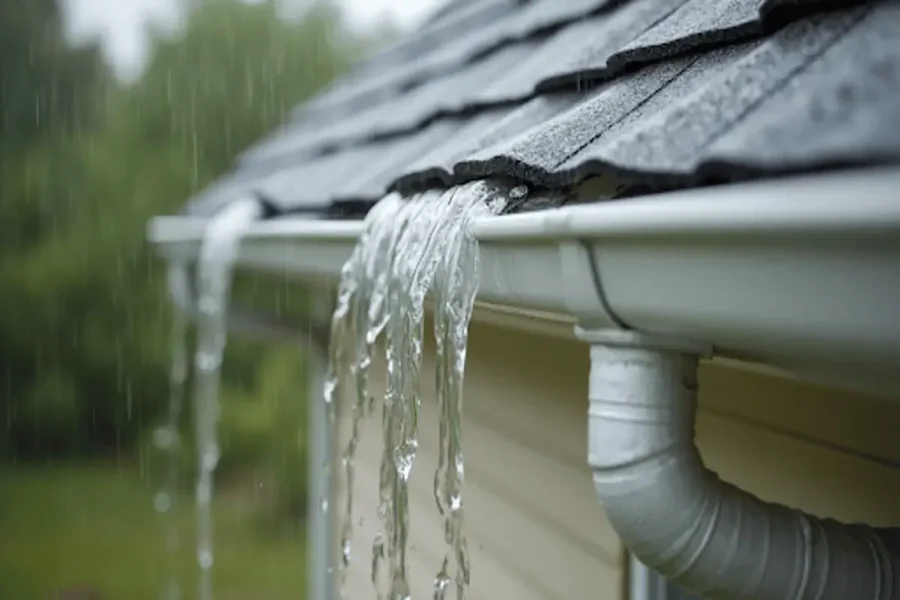
You’re standing at the window watching a thunderstorm roll in, and suddenly you notice it, water cascading over the edges of your gutters like a small waterfall. It’s pouring down the siding, splashing onto the patio, and pooling around the foundation. That sinking feeling in your stomach is justified, because overflowing gutters aren’t just annoying. They’re a warning sign.
If your gutters overflow during heavy rain, something in your drainage system isn’t working the way it should. The good news? Most causes are fixable once you know what to look for.
Let’s walk through why this happens and what you can do about it before the next storm arrives.
How Gutters Are Supposed to Work
Gutters are part of a simple but critical drainage system. Rainwater hits your roof, slides down the slope, and gets caught by the gutters lining the edge. From there, it travels through downspouts and exits a safe distance from your home’s foundation.
When everything flows smoothly, you barely notice them. When something blocks or disrupts that flow, water has nowhere to go but over the edge.
Understanding this basic system makes it easier to spot where things go wrong.
Top Reasons Gutters Overflow During Heavy Rain
Several issues can disrupt that flow, and most homes deal with more than one of them at the same time.
Clogged Gutters from Leaves and Debris
This is the number one culprit. Leaves, pine needles, twigs, shingle granules, and even bird nests build up over months. When a heavy storm hits, that debris dam stops water cold, forcing it to spill over the sides.
Properties with overhanging trees often clog within a single season.
Blocked Downspouts
Sometimes the gutters themselves are clean but the downspouts are jammed. Debris settles into the narrow vertical channel and creates a bottleneck. Water backs up, fills the gutter past capacity, and overflows.
A simple test: tap the downspout. If it sounds dull instead of hollow, it’s likely packed with gunk.
Improper Gutter Slope
Gutters need a slight downward pitch toward the downspout, usually about a quarter inch for every ten feet. If they’re hung level or sloped the wrong way, water sits stagnant instead of flowing where it should.
Over time, fasteners loosen and the slope shifts, creating problem spots.
Undersized Gutters for Heavy Rainfall
Standard 5-inch gutters work fine for moderate climates, but homes in regions with intense storms often need 6-inch systems with larger downspouts. If your gutters can’t handle the volume, no amount of cleaning will solve the overflow issue.
Poor Installation
Loose hangers, gaps between sections, improper sealing, and incorrect spacing all lead to drainage failures. A gutter system is only as reliable as its installation.
Hidden Damage Caused by Overflowing Gutters
The water spilling over isn’t just a nuisance, it’s actively damaging your home in ways you may not see right away.
Foundation Issues
Water pooling near the base saturates the soil and creates pressure against foundation walls. Over time, this leads to cracks, settling, and expensive structural repairs.
Roof Damage
Backed-up water sits in the gutters, seeping under shingles and rotting fascia boards. In winter, that trapped water freezes and creates ice dams that lift roofing materials.
Landscape Erosion
The force of falling water destroys flower beds, washes away mulch, and carves trenches into your yard. Mature plants suffer, and replanting becomes a recurring expense.
Basement Flooding
Once water saturates the soil around your foundation, it eventually finds cracks and seeps into basements and crawl spaces. What starts as a damp corner becomes a mold and mildew problem fast.
Warning Signs You Shouldn’t Ignore
Beyond the obvious overflow, your home gives you several smaller hints that something’s wrong:
- Water spilling over the gutter edges during even moderate rain
- Sagging gutter sections that look heavy or pulled away from the house
- Dark stains or streaks running down the siding below the gutters
- Pooling water near the foundation after storms
- Peeling paint or rust spots on exterior walls
- Mildew smell in the basement or crawl space
- Eroded soil or exposed roots near the home’s perimeter
Catching two or three of these early can save you from much bigger repair bills later.
How to Fix Overflowing Gutters
The good news is that most overflow problems have practical solutions you can tackle yourself or with professional help.
Clean the Gutters Thoroughly
Start with the basics. Remove all debris by hand or with a small scoop, then flush the system with a garden hose to confirm water flows freely. Aim to do this at least twice a year, more often if you have lots of trees nearby.
Clear the Downspouts
If water still backs up after cleaning, focus on the downspouts. A plumber’s snake or pressurized water from a hose usually breaks up internal clogs. Disconnecting the bottom section can help reach stubborn blockages.
Adjust the Slope
Check the pitch with a level. If sections are flat or sloped wrong, reposition the hangers to restore proper drainage. Loose or rusted fasteners should be replaced at the same time.
Install Gutter Guards
For homes surrounded by trees, gutter guards are a smart upgrade. They reduce debris buildup significantly, though they don’t eliminate the need for occasional inspections.
Upgrade to Larger Gutters
If your gutters simply can’t handle local rainfall, sizing up to 6-inch gutters with 3×4 downspouts often solves the problem permanently.
Why Seamless Gutters Are a Better Long-Term Solution
Sectional gutters have joints every few feet, and those joints are exactly where leaks, sagging, and clogs tend to start. Seamless gutters eliminate that weakness.
Custom-cut to fit your home in one continuous piece, they offer:
- Fewer leaks since there are virtually no joints
- Better water flow thanks to a smoother interior
- Lower maintenance because debris has fewer places to catch
- Longer lifespan with cleaner aesthetics that boost curb appeal
For homeowners tired of recurring gutter issues, the upgrade often pays for itself within a few years of avoided repairs.
Working with Trusted Gutter Professionals
When DIY fixes aren’t enough, partnering with experienced specialists makes a real difference. Southwest Seamless Rain Gutters is recognized for quality seamless gutter installation, dependable gutter repair and maintenance services, and long-term water protection solutions tailored to each home.
Their team focuses on craftsmanship and durability, which is exactly what matters when you’re trying to put gutter problems behind you for good. For homeowners who’d rather solve the issue once than fight it every storm, working with seasoned professionals is one of the most practical decisions you can make.
Final Thoughts: Don’t Wait for the Next Storm
Overflowing gutters aren’t just a cosmetic annoyance, they’re a sign that your home’s first line of water defense is failing. The longer the problem goes unaddressed, the more damage accumulates in places that are far more expensive to repair.
A little proactive attention, whether it’s a thorough cleaning, a slope adjustment, or an upgrade to a seamless system, goes a long way toward protecting your home. Storms will keep coming, but with a properly working gutter system, you can stop dreading them and finally watch the rain from the window in peace.