
Quick Random Games to Add Variety Between Word Puzzle Breaks
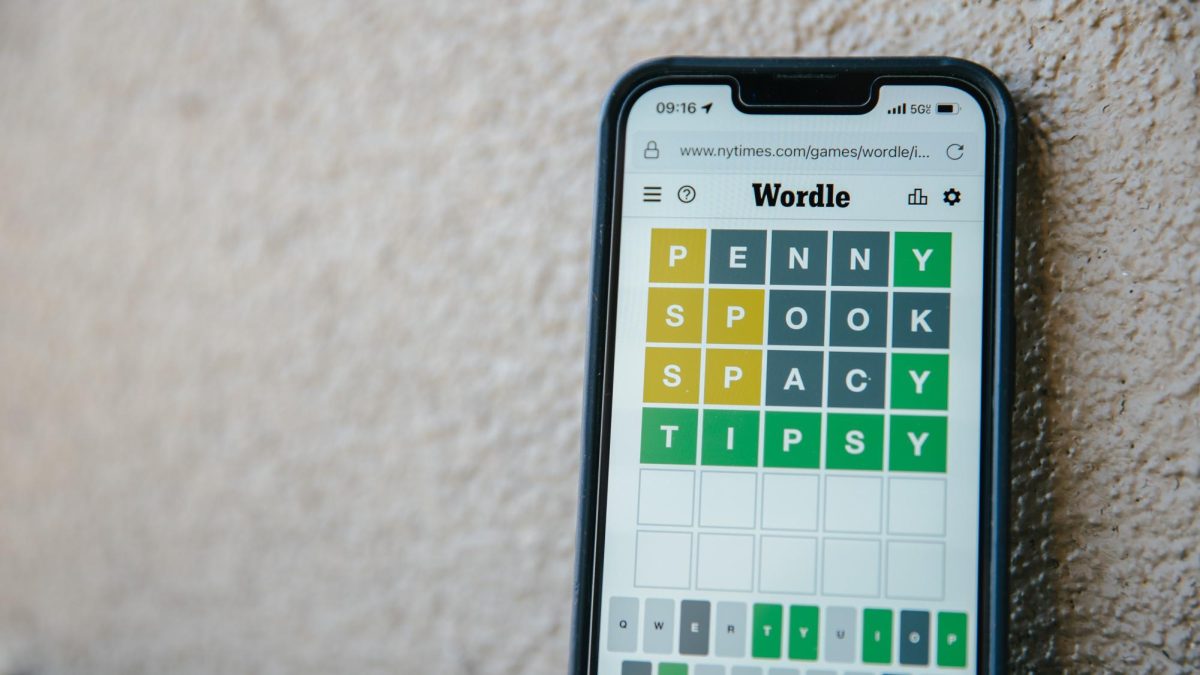
Word games are satisfying because they combine pattern recognition, memory, vocabulary, and a little bit of luck. A daily puzzle gives players a clear challenge, but many people also enjoy quick side activities between rounds. Sometimes the fun comes from solving the puzzle. Sometimes it comes from choosing what to play next.
Random games and spin-wheel prompts can add that extra layer of variety. They are easy to set up, quick to understand, and flexible enough for solo players, families, classrooms, and online groups.
Why Random Prompts Work
A random prompt removes the need to decide. Instead of debating categories, themes, or turns, the group lets the wheel choose. That small element of chance can make a familiar activity feel fresh.
For word-puzzle fans, random prompts might include categories such as animals, foods, places, movie titles, five-letter words, rhyming words, or words that contain a specific letter. The random choice sets the constraint, and the players respond creatively.
Use a Wheel for Fast Decisions
A spin wheel is useful because everyone can see the options and understand the result immediately. It feels more playful than simply choosing from a list. It can decide who goes first, which category to use, what challenge to attempt, or what reward a player gets.
An online randomizer can be used to build a quick wheel of options and spin it during a game session. This works well when the goal is not a serious draw, but a fun decision that keeps the activity moving.
Ideas for Word-Game Players
There are many ways to combine randomizers with word games. A group can spin for a category before starting a naming round. Players can spin for a forbidden letter. A classroom can spin for the student who gives the next clue. A family can spin for a silly rule, such as “use only three-word clues” or “describe the answer without using its first letter.”
These mini-rules work because they are temporary. If one prompt is strange, it lasts only a round. The next spin can change the mood again.
Keep the Options Balanced
A randomizer is only as good as the options inside it. If one option is too easy and another is nearly impossible, the game may feel uneven. For casual play, that may be funny. For classroom or group activities, it is better to keep options roughly equal in difficulty.
One practical approach is to create separate wheels. Use one wheel for easy prompts, another for difficult prompts, and another for player turns. That keeps the game organized while still preserving surprise.
Good for Groups and Streams
Spin-wheel moments are easy for viewers and participants to follow. This makes them useful for livestreams, Discord games, classroom screens, and family game nights. The visual action of the spin creates a small moment of anticipation before the result appears.
Because the format is simple, it does not require much explanation. People can join the activity quickly, even if they were not present when the wheel was created.
A Small Change That Keeps Games Fresh
Daily word puzzles are built on routine, but routines benefit from small variations. A random category, a surprise rule, or a spin for the next player can add energy without changing the core game.
That is the value of simple random tools. They do not replace the puzzle. They create a playful frame around it, helping players move from one challenge to the next with a little more surprise.