
From Daily Puzzles to Real Money Games: How Casual Players Decide What to Play Next
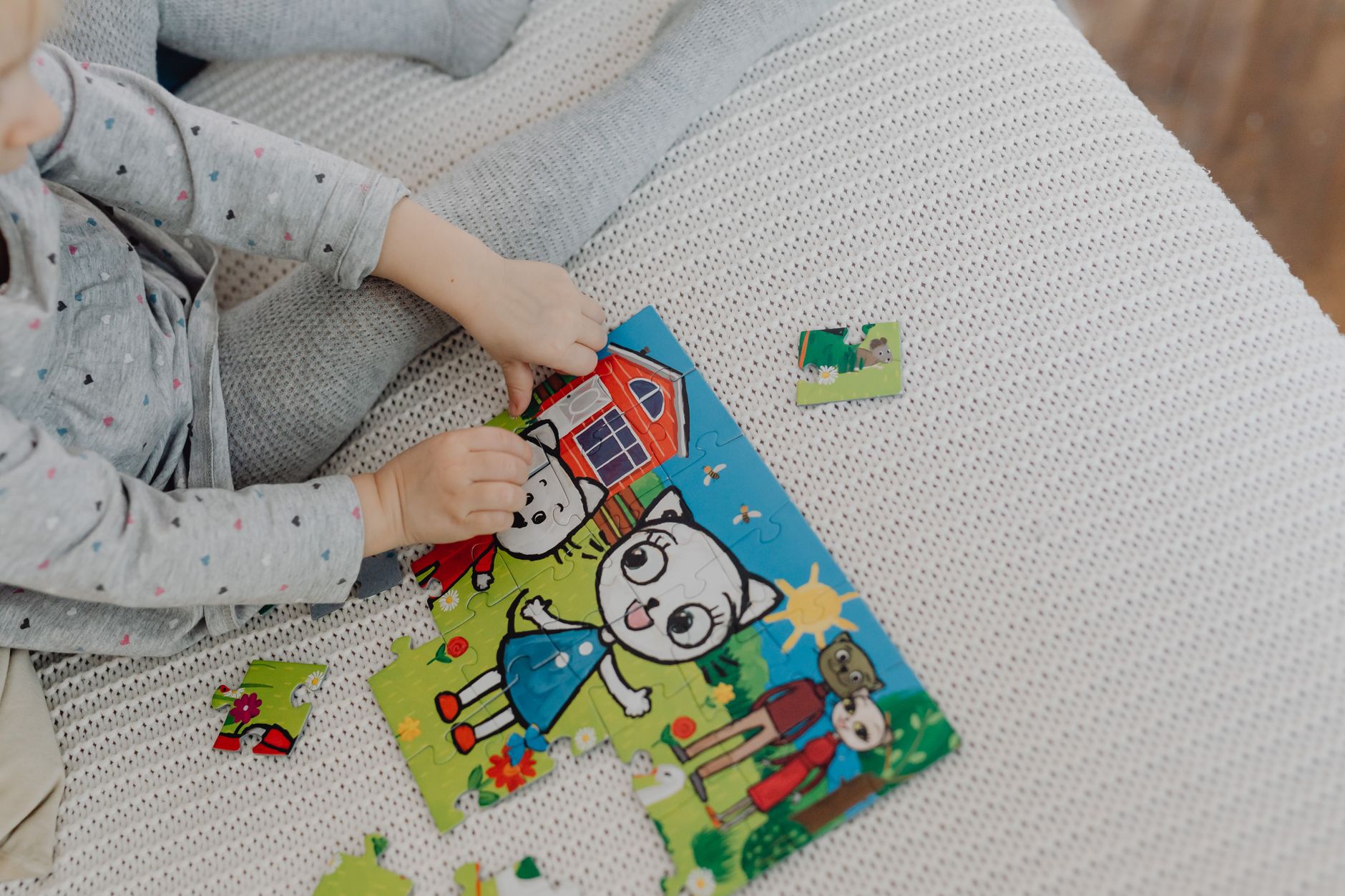
It usually starts the same way. Coffee in one hand, phone in the other, today's grid solved before the kettle has even cooled. Then comes the small, familiar question that every casual player knows: what now?
That question matters more than it sounds. Casual gaming has quietly become the default way most adults play. According to the Entertainment Software Association's 2025 Essential Facts report, 205.1 million Americans play video games regularly, the average player is 36 years old, and half of all players are 35 and up. These are not marathon gamers grinding through 80-hour campaigns. They are people fitting play into the gaps of a normal day, and they choose their next game with the same instincts they bring to their morning puzzle.
The habits that puzzles build
Daily word games train players in ways that carry over to everything else they play. There is the ritual itself: one puzzle, once a day, done in five minutes. There is the streak, which rewards showing up rather than raw skill. And there is the satisfaction of working within tight constraints, where every guess costs something.
Those habits create a particular type of player. Someone who values short sessions over long ones. Someone who wants rules they can learn in a minute but outcomes that still surprise them. Someone who, perhaps without realising it, has become quite good at spotting structure under the surface, a skill explored in this look at how pattern thinking shapes digital play.
So when that player goes looking for something new, the shortlist tends to share a few traits. Quick to start. Easy to stop. A clear feedback loop. It is why so many puzzle fans drift toward other casual formats: trivia apps, match-three games, sudoku variants, and increasingly, low-stakes real money games.
When play involves a deposit, the homework changes
Trying a new free puzzle app costs nothing beyond a download. The worst outcome is a few wasted minutes and an uninstall. Real money gaming sits in a different category entirely, and casual players generally know it. Before any deposit, the sensible ones do a version of the research they would never bother with for a free game.
The problem is that the homework is genuinely hard to do alone. A casino site's homepage tells you about its welcome bonus. It does not tell you whether withdrawals actually arrive, whether the licence behind the operation means anything, or whether the advertised game library is as deep as claimed. Those answers only come from testing, which is where dedicated review platforms have carved out their role.
The better ones treat it almost like consumer journalism. When Pokertube reviewed the Australian market, writer Bryan Zarpentine and his team tested games, bonuses, and payouts across more than 50 sites before ranking them, and found that withdrawal reliability, not bonus size, was what separated the top platforms from the rest. That mirrors what players in other markets report too. Whether someone is playing from Sydney, Auckland, or Toronto, the pattern holds: flashy sign-up offers are easy to manufacture, while a clean track record of paying out on time is not.
For a casual player, that kind of legwork is the equivalent of checking yesterday's puzzle answers before claiming a streak. It takes a few minutes and removes most of the guesswork.
Reading a game the way you read a grid
There is one more carryover worth mentioning, and it is mathematical. Puzzle players are comfortable with probability even if they never use the word. Anyone who has narrowed five-letter options after two guesses has done informal odds calculation.
That comfort pays off when evaluating casual real money games, because the honest ones publish their numbers. Slots list a return-to-player percentage. Table games have known house edges. Volatility ratings tell you whether a game pays small and often or rarely and big. None of this requires a maths degree. It requires the same instinct a grid puzzle rewards: look at the available information, understand the constraints, and decide whether the next move is worth it.
A player who treats a 96% RTP figure the way they treat a yellow tile, as useful information rather than a guarantee, will make calmer decisions than someone chasing a jackpot banner.
What to play next, then
The honest answer is that it depends on what the morning puzzle gave you. If it scratched the logic itch, a harder variant or a chess puzzle might be the natural follow-up. If it was the ritual you enjoyed, another daily-format game will slot straight into the routine. And if you are curious about real money play, the same three habits that made you a good puzzle solver will serve you well: keep sessions short, learn the rules before you commit anything, and let independent testing do the heavy lifting on which platforms deserve your trust.
The grid taught you to think before you tap. That lesson travels further than most players realise.