
Pattern Recognition And Probability: How Brain Training Games Improve Decision Skills
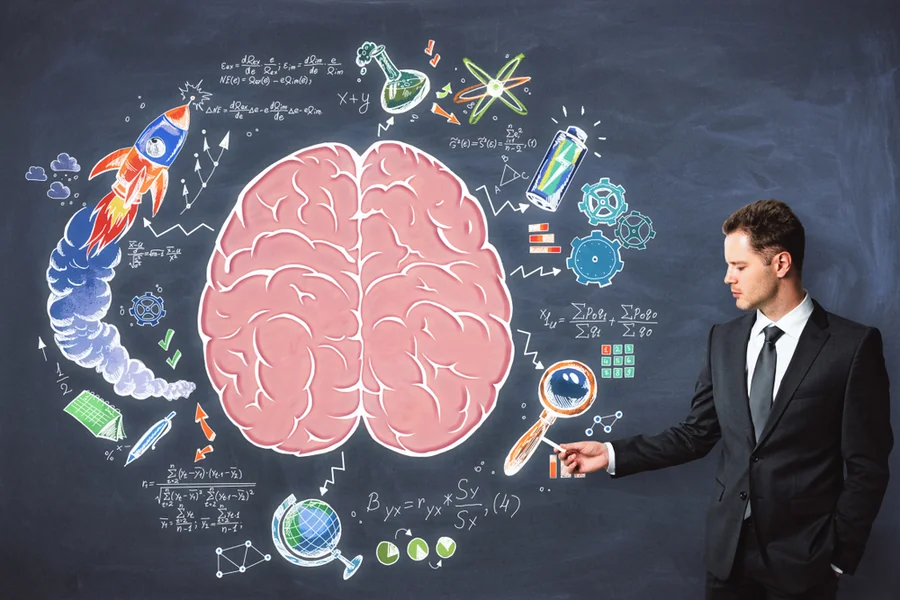
Brain training games look simple. You match words, spot groups, or guess a hidden answer. Yet the best ones teach a serious skill: better decisions under uncertainty.
Every puzzle gives you incomplete information. You never see the full solution at the start. You test ideas. You rule out errors. You update your plan after each move.
That process mirrors real life. You rarely get perfect data. You choose based on clues. You revise when facts change.
Pattern recognition helps you notice structure. Probability helps you manage risk. Together, they form a practical decision toolkit.
This article explains how word and logic games build these skills. We will focus on how players learn to think in patterns, estimate likelihood, and avoid common mental traps.
Pattern Recognition Trains Structured Thinking
Patterns hide in plain sight.
In word grouping games, four words may share a theme. At first, they look unrelated. Then you notice a common feature. The pattern becomes visible.
This shift matters. Your brain moves from surface reading to structured analysis.
Structured thinking means asking focused questions. What links these terms? Is the similarity semantic, phonetic, or contextual? Which item does not belong?
Each attempt refines judgment. A wrong guess exposes false patterns. A correct guess confirms a reliable rule.
Over time, you build mental shortcuts. You stop reacting randomly. You test small clusters first. You eliminate noise.
This discipline resembles reading data carefully before acting. In any decision space—whether solving puzzles or exploring structured game environments where players may read more about probability-based mechanics—the skill is the same: identify signal before committing to a move.
Pattern recognition reduces chaos. It replaces impulse with order.
Probability Sharpens Risk Management
Patterns alone do not solve every puzzle.
Sometimes two options look equally valid. You lack full certainty. This is where probability thinking enters.
Probability thinking asks: which choice is more likely correct given available evidence?
In word games, you might narrow possibilities to two groups. One grouping fits three clear connections. The other depends on a weak association. The stronger pattern carries higher probability.
You choose based on weight of evidence, not hope.
This skill transfers beyond games. Real decisions often involve partial information. You compare likelihoods. You assess downside risk. You avoid reckless guesses when odds are low.
Brain training games teach you to calculate mentally. You learn to ask, “What is the expected outcome?” rather than “What feels exciting?”
Probability does not remove uncertainty. It manages it.
Avoiding Cognitive Bias Through Repeated Testing
The brain prefers quick conclusions.
You see three related words and assume the fourth fits. That assumption may be wrong. This is confirmation bias. You search for proof that supports your first idea.
Brain training games punish this habit.
When a guess fails, the system provides feedback. You adjust. You question your initial belief. You test alternatives.
Repeated correction builds humility. You learn that first impressions often mislead. You pause before locking in a decision.
Another common trap is overconfidence. Early success can make you careless. A few wins do not guarantee the next move is correct. Puzzles expose this quickly.
By facing small, low-cost errors, you train safer thinking patterns. You become comfortable revising decisions when new evidence appears.
Clear thinking grows through correction.
Speed Versus Accuracy: Managing Cognitive Pressure
Many brain games limit attempts or time.
Limits create pressure. Pressure changes behaviour. Some players rush. Others freeze.
Effective players balance speed and accuracy.
They move quickly when patterns are clear. They slow down when uncertainty rises. This pacing mirrors real decision environments where time matters but errors carry cost.
Rushing increases mistake rate. Overthinking wastes opportunity. The skill lies in sensing when enough evidence exists.
Games train this calibration.
You learn to measure confidence internally. If certainty is low, you gather more clues. If certainty is high, you act decisively.
This rhythm builds decision stability. It prevents panic under time constraints. It also prevents paralysis when action is needed.
Pressure becomes a training tool, not a threat.
Small Games, Stronger Decisions
Brain training games do more than entertain.
They teach structured thinking through patterns. They teach risk control through probability. They expose bias through feedback. They train pacing under pressure.
Each puzzle is a safe simulation of uncertainty.
You gather clues. You test hypotheses. You adjust after error. You balance speed and caution.
Over time, this process becomes automatic. You begin to apply the same framework outside the game. You weigh evidence before choosing. You question first impressions. You estimate likelihood instead of relying on instinct.
Better decisions rarely come from luck. They come from pattern awareness and measured risk.
Simple games. Serious thinking.
That is the real training.