
How to Improve Your Daily Connections and Word Puzzle Skills
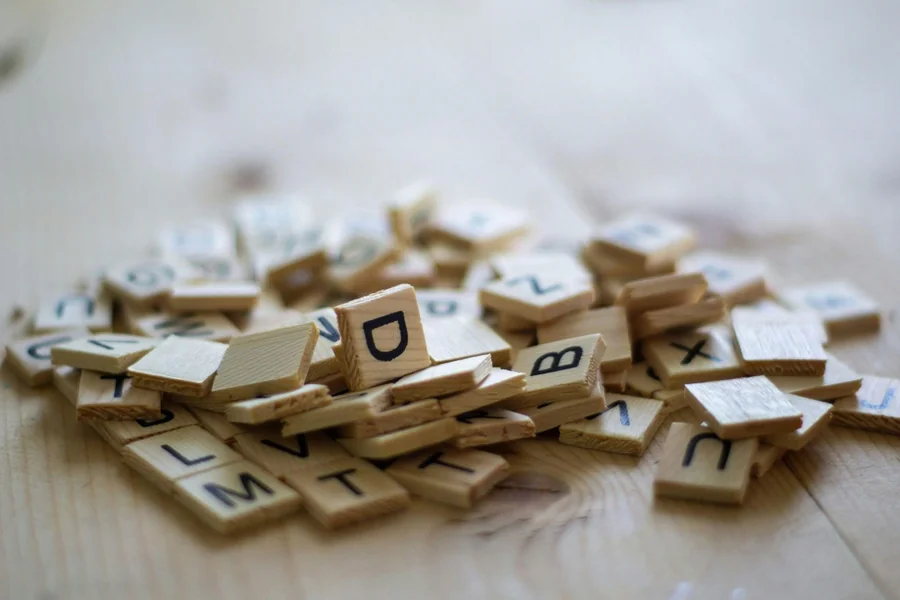
Puzzles like the Connections Wordle Game challenge you to spot links between words that aren’t always obvious. They train the brain to make quick, accurate associations, like when you see “salt” and immediately think of “pepper”. Regular solvers develop sharper pattern recognition that carries over to other word games and mental tasks. These skills are built through targeted methods, turning random guesses into reliable insights.
Mastering the Puzzle Mindset
Begin every session by scanning the full 16-word grid without rushing to group anything. Frequent shuffles help disrupt misleading clusters that act as red herrings. Hold off on submitting any four words that seem too straightforward, since they often serve as traps.
The key is to treat each puzzle like a bettor treats a betting slip after consulting expert sports betting analysis: gather all the information, consider every option, and only make a move when you can justify it with logic rather than emotion. Spot five or more words that might fit a category, then isolate the one that belongs elsewhere to refine your choices. This methodical process uncovers abstract links, such as shared prefixes or niche themes. Track your sessions in a notebook, noting trap patterns and successful groupings, as weekly reviews can reveal both setbacks and improvements.
Daily Practice Routines That Stick
Commit to fifteen minutes of puzzle solving each morning, using the official app or printouts for better focus. Mix easier groups with tougher ones to build flexibility. After solving, review mistakes aloud, saying potential phrases to test associations; for example, spotting “litter” and linking it to “box.”
You should aim for consistent streaks by restarting calmly after breaks. Puzzle streaks formed around 21 days, like habit-building routines, can make pattern-spotting feel automatic for many players. To deepen connections training, create quick mental stories linking grid words, visualizing how one term triggers another. This reinforces the skill beyond the game.
Spotting Links Like “Peanut Butter” to “Jelly”
Connections are formed best when you can forge mental bridges between seemingly unrelated terms, training yourself to think in automatic pairs. Similar to the example of “salt” and “pepper”, you can see how “peanut butter” snaps to “jelly,” or “needle” pulls up “thread.” Practice by focusing on word structures first, such as verbs, adjectives, or suffixes, before meanings. For harder groups, start there instead of the easy ones, as breakthroughs often cascade to simpler answers.
When a “one away” message appears, pause and rescan all words rather than swapping blindly. Say clusters out loud to spark phrase completions, revealing hidden ties. This is the same as using clues in riddles, where one idea pulls another forward. You can apply it daily and strengthen the habit, for instance, by linking news headlines to puzzle themes. Players who do this notice quicker “aha” moments across word games.
Overcoming Common Sticking Points
What’s interesting yet challenging in puzzles is the existence of overlaps that can create loops. When you encounter these blocks, step away for five minutes, since a pair of fresh eyes can often help you expose the real category. Avoid forcing synonyms; probe actions, pop culture, or structures instead. If you’re looped on “one away,” rebuild everything from scratch and consider abstract options like phrase elements.
Fatigue amplifies errors, so limit your play to twenty minutes per session and take note of when your energy peaks for the best plays. Beware of the common traps, too, including obvious-but-wrong groups or ignoring niches. To level up your ability, you can diversify with crosswords or sudoku to challenge associations differently and prevent ruts, since crossword puzzles are shown to improve memory and thinking skills.
Tracking Progress and Adjusting for Lasting Gains
Some puzzle apps provide stats on accuracy, speed, and categories solved. Set yourself a target like nailing 80% of the puzzle without hints, and keep shuffles to under ten per round. For deeper training, study prefixes and suffixes daily to spot structural links faster. Every two weeks, compare some of your early grids to current ones to track shuffles used and errors avoided.
Journal five daily word associations outside puzzles and rate how quickly they came to you. Post your grids on forums when you want fresh eyes on what you missed, since people can spot things you won’t. Over months, a basic spreadsheet shows it all: shorter solve times and stronger peanut butter-to-jelly jumps, helping you watch your own progress stack up.
Last but not least, switch up your puzzles weekly to keep associations dynamic. Adjust as patterns emerge, but anchor your word plays in logic and review, so you can always stay on track.
These approaches demand steady effort but deliver clear gains in puzzles and word skills. This is because mental links can only sharpen reliably through practice. Keep going, and you’ll see your improvements build up over time.