
From Landrace to Laboratory: How Modern Cannabis Genetics Are Redefining Cultivation
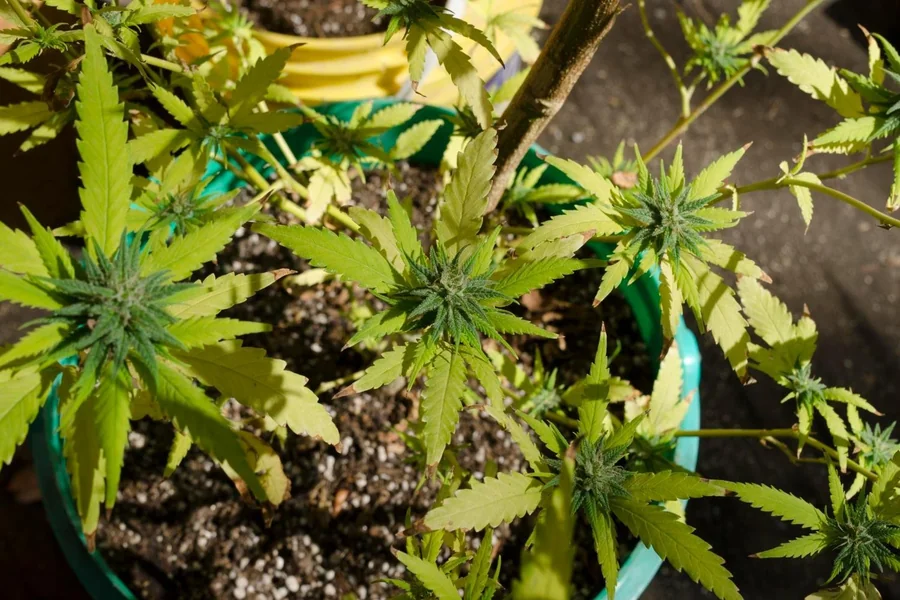
Cannabis cultivation has entered a new era, one shaped not just by legalization trends or retail expansion, but by genetics. While headlines often focus on policy shifts or market valuations, the most transformative developments are happening at the breeding level. Behind every stable strain, predictable flowering cycle, and consistent terpene profile lies years of genetic refinement.
The story of cannabis today is, in many ways, the story of how plant breeding moved from traditional landrace preservation to data-informed laboratory precision.
The Origins: Landrace Varieties and Natural Adaptation
Before modern breeding programs existed, cannabis evolved through natural selection in distinct geographic regions. These so-called landrace varieties adapted to local climates over generations. Plants in mountainous Afghanistan developed compact structures suited to cooler temperatures. Equatorial strains in Southeast Asia evolved taller forms, thriving in extended daylight cycles.
These early populations were genetically diverse and often unpredictable, but they were resilient. They carried traits shaped by the environment rather than commercial demand.
For decades, cultivators relied on these regional genetics as foundational stock. However, as indoor cultivation expanded and growers sought greater control, variability became a challenge. Predictability, not just potency, became the new priority.
The Hybridization Boom
By the late 20th century, breeders began crossing landrace strains to combine desirable characteristics: shorter flowering times, increased resin production, improved yield. Hybridization allowed cultivators to tailor plant traits more precisely.
Yet early hybrids often lacked stability. Phenotypic variation, differences in plant height, flowering duration, or cannabinoid levels, could still be significant from one seed to the next.
This inconsistency posed logistical problems, especially in regulated markets where plant counts and cultivation timelines matter. Stability became the benchmark for serious breeding operations.
Enter the Laboratory Mindset
Modern cannabis breeding increasingly resembles agricultural science in other sectors. Controlled pollination, backcrossing techniques, phenotype selection, and laboratory testing now shape strain development.
Breeders track genetic lineage carefully. Desired traits are reinforced across generations. Laboratory analysis measures cannabinoid ratios and terpene composition to ensure consistency.
This scientific rigor mirrors practices long used in crop science. The United States Department of Agriculture has historically supported research into plant breeding for yield stability and climate resilience. While cannabis research has faced regulatory constraints, modern breeders are applying similar methodologies: data-driven selection and environmental adaptation.
The shift from hobbyist crossbreeding to structured genetic programs marks one of the most important transformations in cannabis cultivation.
The Rise of Auto-Flowering Innovation
Among the most impactful genetic refinements has been the stabilization of auto-flowering traits. Derived from Cannabis ruderalis, a subspecies that evolved in regions with short growing seasons, this characteristic allows plants to flower based on age rather than daylight cycles.
For decades, ruderalis genetics were considered inferior due to lower potency and smaller yields. However, selective breeding changed that perception. By integrating auto-flowering traits into high-quality hybrid lines, breeders created varieties that combine predictability with performance.
Today, many cultivators explore auto seeds when evaluating modern breeding advancements. These genetics eliminate the need for precise light-cycle manipulation, simplifying both indoor and outdoor grows.
What once seemed like a novelty is now a cornerstone of contemporary cultivation strategies.
Precision in Growth Cycles
Shorter, predictable growth cycles have become a defining feature of advanced genetics. In regulated environments where cultivation licenses operate under strict timelines, consistency is invaluable.
Auto-flowering varieties typically complete their lifecycle more quickly than traditional photoperiod plants. This efficiency enables:
- Multiple harvests per year
- Reduced exposure to environmental risk
- Streamlined scheduling for indoor setups
Breeding programs now focus not only on cannabinoid content but also on lifecycle precision. Stability across batches reduces financial uncertainty for commercial cultivators and lowers complexity for hobbyists.
Predictability has commercial value.
Terpenes and the Flavor Revolution
Beyond cannabinoid percentages, breeders now prioritize terpene expression. Terpenes influence aroma and flavor, and they may contribute to nuanced plant effects.
Advanced genetic mapping and selective breeding allow cultivators to enhance specific terpene profiles. Citrus-forward varieties, earthy notes, or floral undertones can be stabilized across generations.
This shift reflects consumer sophistication. Growers are no longer chasing potency alone; they are curating experience.
The laboratory era of cannabis genetics has expanded focus beyond raw output to sensory refinement.
Climate Adaptation and Resilience
Modern genetics also address environmental pressures. As climate variability increases, breeders prioritize resilience, tolerance to humidity fluctuations, temperature stress, or shorter outdoor seasons.
Auto-flowering genetics, in particular, offer advantages in regions with unpredictable weather. Their shorter lifecycle reduces exposure to late-season storms or early frost.
Breeding for resilience mirrors agricultural trends across other crops. Adaptability ensures sustainability.
In this context, cannabis genetics are aligning with broader climate-aware agricultural practices.
Indoor Cultivation Meets Genetic Stability
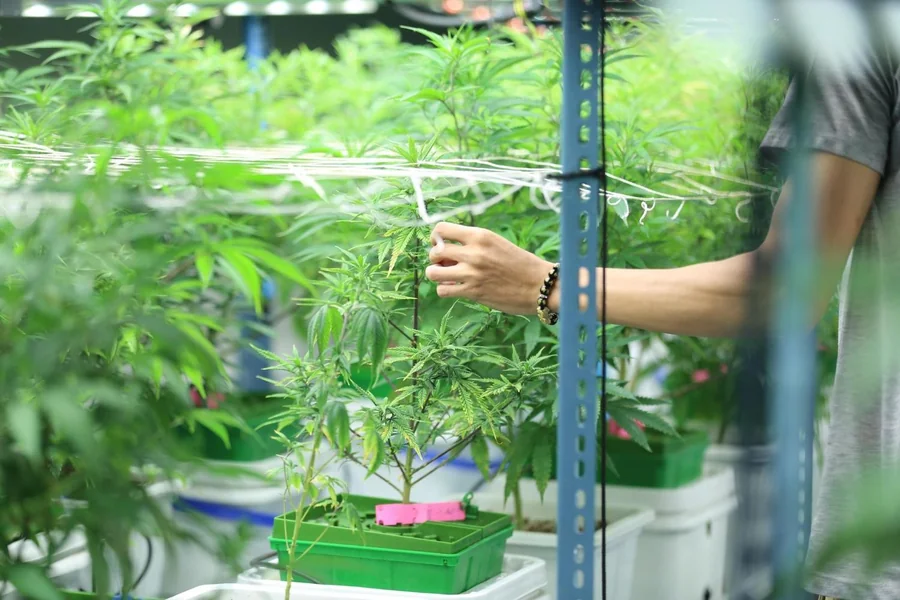
Indoor cultivation thrives on control: light, humidity, airflow, and nutrient delivery can all be fine-tuned. However, even the most advanced setup cannot compensate for unstable genetics.
Modern breeders aim to deliver uniformity. When each seed produces plants with consistent height and flowering timing, indoor systems operate more efficiently. Grow tents can be arranged strategically. Harvests can be scheduled precisely.
Genetic reliability enhances technological precision.
The convergence of laboratory breeding and indoor environmental control represents a new cultivation paradigm, one grounded in both biology and engineering.
Ethical and Regulatory Considerations
As genetic innovation accelerates, transparency becomes increasingly important. Breeders must document lineage clearly and maintain ethical standards in representation. Mislabeling or exaggerated claims undermine trust.
Regulated markets often require testing for cannabinoid content and contaminants. Laboratory verification protects consumers and supports industry legitimacy.
Genetics may evolve rapidly, but responsibility must evolve alongside them.
The Future of Cannabis Breeding
Looking ahead, cannabis genetics will likely become even more sophisticated. Genome sequencing technologies may allow breeders to identify desirable traits with greater precision. Marker-assisted selection, common in other agricultural sectors, could accelerate stabilization.
Artificial intelligence may assist in phenotype analysis, tracking plant growth patterns and predicting outcomes based on genetic data.
Breeding will continue balancing innovation with stability. Faster growth cycles, improved resilience, and refined terpene expression are all areas of active exploration.
What began as regional landrace cultivation has transformed into a globally interconnected breeding ecosystem.
From Tradition to Technology
The journey from landrace to laboratory reflects a broader maturation of cannabis culture. Early cultivators relied on observation and adaptation. Modern breeders integrate data, controlled experimentation, and scientific methodology.
Yet the roots remain agricultural. Cannabis is still a plant shaped by soil, light, and climate. Genetics may refine its potential, but cultivation remains a partnership between nature and nurture.
Auto-flowering innovation, terpene stabilization, and climate resilience are not isolated trends. They are markers of an industry learning from both history and science.
As cannabis genetics continue to evolve, the emphasis on precision will likely deepen. Predictability, adaptability, and transparency will define the next generation of strains.
From remote mountain valleys to modern breeding facilities, cannabis has traveled a remarkable path. And as laboratory tools grow more advanced, one thing remains constant: the plant’s capacity to adapt, and the cultivator’s drive to refine it.