
How to Prepare for a Property Valuation: A Guide for Homeowners
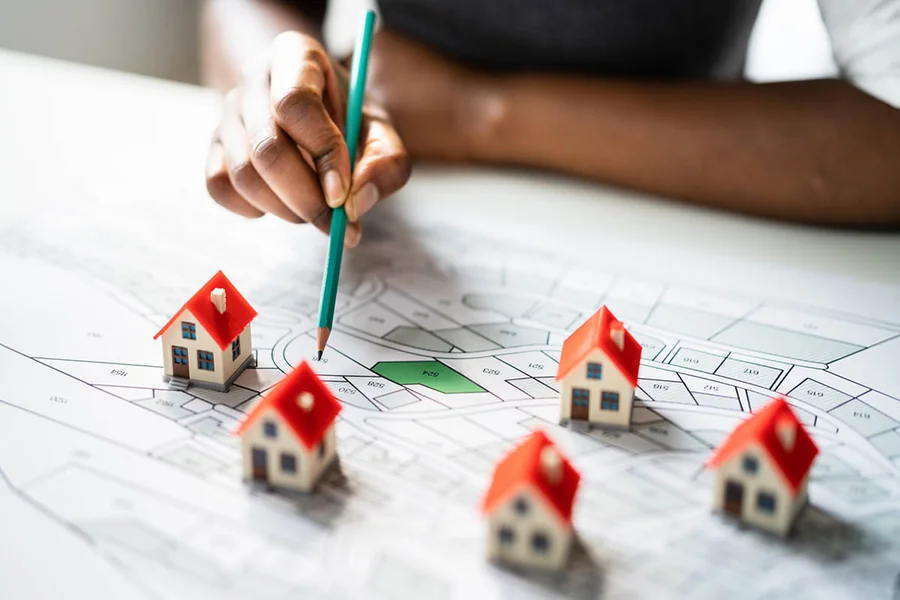
Whether you are planning to sell soon or simply want to understand the value of my property in the current market, a professional valuation is one of the most important steps in the property journey. How well you prepare for that appointment can make a genuine difference to the figure an estate agent presents and, ultimately, to your asking price.
This guide walks you through everything you need to do before a valuer arrives at your door, so you can feel informed and confident on the day.
Understand What a Valuation Actually Involves
A property valuation is not the same as a survey. A surveyor assesses the structural condition of a building, whereas a valuation focuses on market value — what a willing buyer would reasonably pay for your home in the current climate. Estate agents typically carry out valuations free of charge, drawing on recent comparable sales in your area, local demand, and the specific characteristics of your property.
Before the appointment, it is worth familiarising yourself with recent sold prices on nearby streets. Land Registry data is publicly available and gives you a reliable picture of what similar homes have achieved. This background knowledge helps you engage in a more informed conversation with the agent and ask the right questions about how they have arrived at their figure.
Declutter and Present Your Home at Its Best
First impressions matter, even during a valuation. A clean, well-presented home naturally creates a positive impression. This does not mean redecorating from top to bottom, but taking the time to declutter rooms, clear worktops, and tidy the garden will help the agent see the property at its most appealing.
Kerb appeal is particularly important. The front of your home is the first thing an agent sees when they arrive, so make sure the pathway is clear, any bins are tucked away, and the exterior looks well maintained. These details send a clear signal that the property has been cared for over the years.
Gather Relevant Documents and Information
Having key paperwork to hand demonstrates that you are a prepared and serious seller, and it helps the agent provide a more accurate picture of the value of my property. Useful documents include your Energy Performance Certificate, any planning permissions or building regulations certificates for extensions or alterations, and records of significant improvements made in recent years.
If you have replaced the boiler, installed a new roof, or upgraded the windows, make sure the agent is aware. These are genuine value-adding improvements that may not be immediately visible during a brief walkthrough. Similarly, if your property falls within a conservation area or carries listed status, mention this upfront, as it affects what future buyers can and cannot change.
Consider Running Costs and Energy Efficiency
Buyers increasingly factor in the running costs of a home as part of their purchasing decision, so agents may ask about your council tax band, any service charges, and the general energy efficiency of the property. Your EPC rating plays into this conversation, as more energy-efficient homes are attracting greater interest in the current market. If your rating is strong, make sure the agent knows about any improvements you have made that contributed to it. You may also want to review your current electricity provider and compare available options to ensure you are getting good value for your energy needs. Researching providers such as best light company can give homeowners another point of reference when considering energy costs and efficiency.
Know What You Want from the Valuation
Going into the appointment with a clear sense of your own goals helps you get far more out of the meeting. Are you looking to sell quickly? Are you happy to wait for the right buyer at a higher price? Would you welcome honest feedback on anything that might be limiting the value of my property?
Agents will appreciate a candid conversation. If there are aspects of the property that concern you, perhaps a dated kitchen, limited parking, or a noisy road nearby, raise these openly. A good agent will give you a realistic view of how such factors affect value and whether there are practical steps you can take before listing.
Always Get Multiple Valuations
It is standard practice to invite two or three estate agents to value your home. This not only provides a broader picture of what the market will bear, but also allows you to assess which agent you feel most comfortable working with. The highest valuation is not always the best one. An inflated figure can lead to a slow sale, price reductions, and reduced buyer confidence over time.
Ask each agent to explain how they reached their figure and to walk you through the comparable evidence they have used. A well-evidenced valuation reflects genuine market knowledge and gives you far greater confidence that the number reflects reality.
Preparing thoroughly for a valuation is about giving your home the best possible platform. With the right groundwork in place, you can walk into that appointment informed, confident, and ready to have a truly productive conversation about what your property is worth.