
The Hidden Logic of Wordle: How Your Brains and Algorithms Approach the Same Puzzle
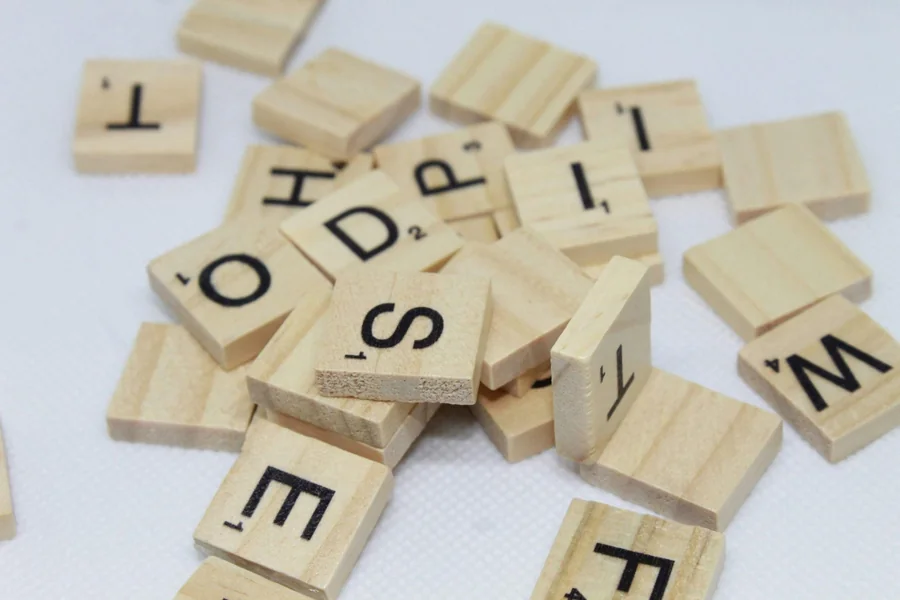
Word puzzles like Wordle turn a simple five-letter guess into a daily duel between hunch and calculation. In this type of game, players and programs alike have to process feedback to crack the code, revealing how minds and math tackle uncertainty in similar ways. As you explore the game’s core nature, you can also see human habits, machine methods, their meeting points, and the tweaks you can apply to your next round.
Wordle’s Feedback System and Its Strategic Pull
Wordle hinges on a tight loop of guesses and color-coded replies. Each attempt yields green for correct letters in the right spots, yellow for letters present but misplaced, and gray for absent letters. This setup forces players to track both letter locations and whether the letters exist in the word, narrowing a big list of possible words down to a short list of likely ones.
Two modes in the game switch up the challenge. Normal mode lets you ignore hints if you want to try speculative words. Meanwhile, hard mode requires using all known greens and yellows in every follow‑up guess (green letters stay put, and yellow letters must appear somewhere else), making the rules stricter and punishing missed clues.
Both modes draw from a fixed list of answers, containing around 2,300 common five-letter words, curated to avoid obscurities like “qi” or “za.” This list limits random tries, directing strategy toward frequent letters and patterns – the same strategic focus needed when you play poker on top platforms reviewed by Pokertube guide and other sites. Players quickly learn to prioritise vowels and consonants like S, T, R, L, N, favouring words that check many positions at the same time.
Intuition and Pattern Chasing in Human Guesswork
Players tackle Wordle through gut-driven moves honed by repetition. A first guess often lands on something familiar like “arise,” counting on vowel coverage and common endings. From there, intuition kicks in: players then change letters based on a “feel” for likely words, even without full proof.
Pattern-matching stands out in “word ladders,” where players climb from one guess to the next by tweaking one or two letters. A yellow E in the third spot might prompt “bleak” after “stare,” building incrementally. Some lean into grouping possibilities by shared traits: words ending in -ING, doubles like OO or EE, or sound-alikes; think “stare” narrowing to “stark” or “stair”. This mental sorting reduces possible words quickly, mixing wordplay with thematic guesses. It’s less about endless word checking and more about the spark of recognition.
Entropy and Quick Narrowing in Machine Tactics
Algorithms strip Wordle to information math. They measure “entropy”, which is the amount of uncertainty a guess removes, aiming to split the remaining answer pool evenly. A high-entropy opener like “slate” tests S, L, A, T, E, which appear across many words, reducing options more than a narrow shot like “llama.”
Solvers maintain two lists: possible answers and viable guesses, which are all words that fit prior feedback. In each turn, they test possible guesses by predicting results – greens, yellows, grays – and choose the one that cuts the list the most. This removes options very quickly; after two strong guesses, hundreds drop to dozens. No solver shares the exact answers, but the logic favours starters with many different, common letters. Bots can solve a word puzzle in under 4 guesses on average, signaling pure optimization without flair.
Overlaps and Rifts in Human-Machine Play
Brains and code operate in the same way in pursuit of information. Both chase broad early probes to shorten the list, then refine with feedback. A human spotting yellow R and green A might mirror a bot’s shift toward words that fit those constraints.
However, their paths diverge sharply. Machines function at light speed, always picking the best move, but with no flexibility and no detours for fun. Humans, on the other hand, bring creativity to the game, risking a thematic leap like “audio” for vowel hunts or a rare word for joy. We take chances on hunches, savouring the “aha” moments over efficiency. In contrast, machines’ optimization feels mechanical; a bot’s perfect path lacks the thrill of a bold, imperfect streak. That’s why, even when they know the math, players still lean toward surprising words over plain ones.
TechSlash helps readers understand artificial intelligence, software tools, digital marketing techniques, and cybersecurity practices through easy educational articles every week.
Sharpen Your Next Game
Now that you’ve learned about this view, tweak your approach to word puzzles for sharper solves. Start with entropy-rich openers packed with different letters that give the most information, and watch how feedback cuts the list of possibilities. Treat greens as anchors, keeping them in place from the start; yellows as letters to move around without repeating them unless the answer has doubles.
Use words that test the most unknown letters and positions, not just the ones you like or think “feel right”. Pick the guess that answers the most open questions about the puzzle, even if it feels strange. Track patterns mid-game: group by endings, vowel clusters, or repeats to find groups of likely words quickly. When you know how to combine human spark with machine edge, you can turn close calls into routine wins.