
Is Paktechz a Carbon Fiber Auto Parts Manufacturer?
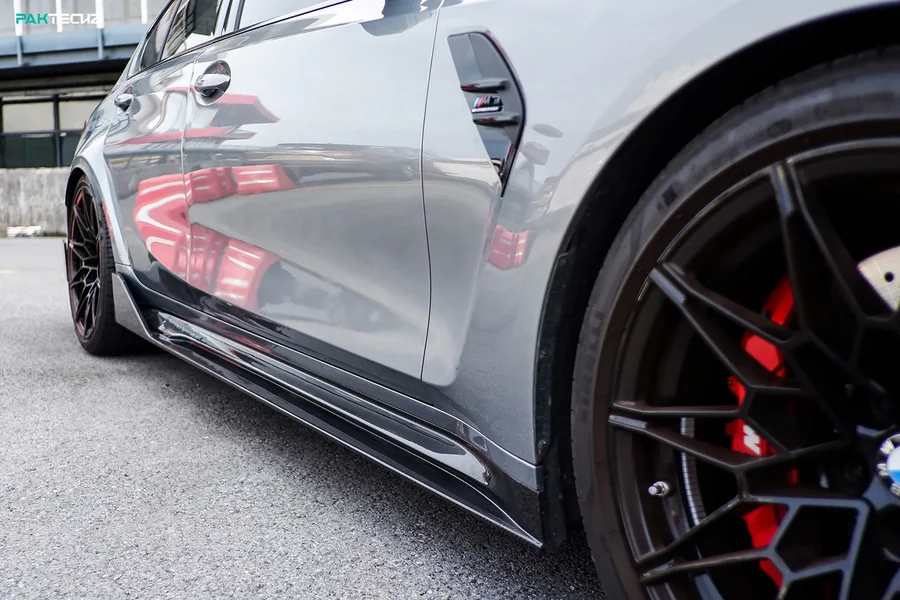
Carbon fiber automotive parts have become a familiar sight on performance cars, luxury vehicles, and custom-built sports cars. From front lips and side skirts to rear diffusers, spoilers, and hoods, these components offer distinctive styling and, when properly designed, useful weight or aerodynamic benefits.
For automotive aftermarket brands, wholesalers, and international distributors, choosing a reliable Carbon Fiber Auto Parts Manufacturer is an important business decision. Product quality, vehicle compatibility, manufacturing capabilities, and consistent delivery can directly affect customer satisfaction.
Paktechz is a brand associated with aftermarket carbon fiber automotive accessories. Buyers interested in working with Paktechz can explore its product offerings and discuss potential sourcing requirements. However, its direct manufacturing status, production facilities, and specific capabilities should be verified before establishing a supply agreement.
Understanding what a carbon fiber auto parts manufacturer does—and what separates a dependable supplier from an unreliable one—can help buyers make more informed purchasing decisions.
What Does a Carbon Fiber Auto Parts Manufacturer Do?
A carbon fiber auto parts manufacturer develops and produces automotive components using carbon fiber-reinforced composite materials.
Unlike conventional metal or plastic parts manufacturing, carbon fiber production involves combining reinforcing fibers with resin systems to create lightweight composite structures.
The manufacturing process typically includes product design, mold development, material preparation, composite layup, curing, trimming, surface finishing, and quality inspection.
Each stage affects the finished component.
Poor mold accuracy can lead to installation problems, while inconsistent laminate construction may affect structural performance.
Surface finishing is equally important because many customers purchase carbon fiber components for their distinctive woven appearance.
Manufacturers serving the automotive aftermarket must balance appearance, fitment, durability, and production cost.
For wholesale buyers, consistency between production batches is especially important.
What Types of Carbon Fiber Auto Parts Are Available?
Carbon fiber manufacturers serving the automotive aftermarket may offer several categories of exterior components.
Each category has different design and installation requirements.
Carbon Fiber Front Lips
Front lips are installed along the lower edge of a vehicle’s front bumper.
They are popular among drivers seeking a sportier appearance.
Some designs function primarily as styling accessories, while properly engineered front splitters can influence aerodynamic forces.
Accurate bumper fitment and secure mounting are essential.
Carbon Fiber Side Skirts
Side skirts extend along the lower sides of a vehicle.
They can complement front lips and rear diffusers to create a consistent exterior design.
Because rocker panel shapes vary between vehicles, side skirts usually require model-specific dimensions.
Carbon Fiber Rear Diffusers
Rear diffusers are fitted around the lower rear bumper.
Many aftermarket versions feature aggressive fins and motorsport-inspired styling.
A functional diffuser can help manage airflow beneath the vehicle, but aerodynamic benefits depend on its geometry and integration with the underbody.
Carbon Fiber Spoilers and Wings
Spoilers and rear wings are common upgrades for performance vehicles.
Spoilers generally modify airflow separation, while functional rear wings use aerodynamic profiles to generate forces that can increase tire loading.
Larger wings require suitable mounting structures to withstand aerodynamic loads.
Carbon Fiber Hoods
Carbon fiber hoods can provide a distinctive appearance and may reduce weight compared with certain original equipment panels.
However, the actual weight difference depends on the materials and construction.
Hood hinges, latches, and mounting points must be compatible with the intended vehicle.
Buyers evaluating Paktechz should confirm which product categories and vehicle applications are currently available.
How Are Carbon Fiber Automotive Parts Manufactured?
Carbon fiber component production usually begins with design and tooling.
Manufacturers may use original vehicle parts, CAD drawings, or three-dimensional scans to establish the required geometry.
Once the design is approved, a mold is prepared.
Carbon fiber reinforcement is then arranged inside the mold according to the required laminate structure.
Different manufacturing methods may be used depending on the product.
Wet layup involves applying liquid resin to reinforcing fibers.
Vacuum-assisted processes can help consolidate the laminate and remove trapped air.
Prepreg manufacturing uses reinforcement that already contains a controlled amount of resin before curing.
After curing, the component is removed from the mold and trimmed.
Mounting holes, brackets, or inserts may then be added.
The final stages generally include surface preparation, coating, polishing, and inspection.
A capable Carbon Fiber Auto Parts Manufacturer should understand how these processes influence quality, weight, and production consistency.
Why Carbon Fiber Material Quality Matters
Not all carbon fiber automotive parts have the same construction.
Some products use carbon fiber throughout the composite laminate.
Others combine carbon fiber with fiberglass or incorporate a decorative carbon fiber outer layer over another substrate.
These approaches can differ in stiffness, weight, durability, and manufacturing cost.
A visible carbon fiber weave does not necessarily mean the entire component is made from carbon fiber.
Buyers should request clear material specifications.
The resin system is another important consideration.
Suitable resin selection and proper curing help the finished component maintain its intended characteristics.
For exterior parts, environmental exposure must also be considered.
Sunlight, moisture, road debris, and temperature changes can affect the appearance and service life of composite components.
A suitable UV-resistant clear coat can help protect exposed carbon fiber surfaces.
Vehicle Compatibility and Fitment Accuracy
Accurate fitment is one of the most important requirements in aftermarket automotive parts manufacturing.
A carbon fiber component designed for one vehicle model may not fit another, even when the vehicles belong to the same brand.
For example, BMW M3 and M4 models can have different bumper and body configurations depending on their generations.
Mercedes-Benz AMG vehicles also have model-specific exterior components.
Porsche, Audi, Lamborghini, Ferrari, and McLaren applications may require additional consideration because of complex bodywork or factory aerodynamic systems.
Production year, chassis designation, trim level, and bumper configuration can all affect compatibility.
Before ordering, buyers should provide complete vehicle information.
For new product development, physical test fitting can help identify dimensional problems before bulk production.
Reliable fitment information reduces installation complaints and product returns.
Can Paktechz Support Custom Carbon Fiber Auto Parts?
Custom manufacturing is valuable for aftermarket brands seeking distinctive products.
A company may want to develop an exclusive front lip, modify a rear diffuser, or introduce a new carbon fiber wing design.
Depending on the project, development may involve CAD modeling, prototype production, mold manufacturing, and vehicle testing.
Custom designs also require careful consideration of material construction and mounting requirements.
For example, a large rear wing must be capable of supporting aerodynamic loads, while a replacement hood needs appropriate hinge and latch arrangements.
Buyers interested in custom carbon fiber automotive components can contact Paktechz with their drawings, reference photographs, vehicle information, and expected order quantities.
The availability of OEM manufacturing, private-label production, prototype development, and exclusive tooling should be confirmed directly.
Clear technical requirements help prevent unnecessary design changes and production delays.
How Important Is Quality Control?
Quality control affects both the appearance and functionality of carbon fiber automotive parts.
Common cosmetic concerns include surface pinholes, uneven clear coats, inconsistent weave alignment, and poorly finished edges.
Dimensional problems can create installation difficulties even when a component looks attractive.
Manufacturers should inspect mounting features, overall geometry, laminate condition, and surface finish.
For wholesale orders, an approved sample can provide a useful reference for future production.
Buyers should also establish acceptable tolerances and inspection criteria.
A dependable supplier should have procedures for identifying defects and resolving quality concerns.
When evaluating Paktechz, buyers should request available product samples and information about its inspection arrangements.
Why International Buyers Consider Factory-Direct Manufacturing
International distributors often prefer working directly with manufacturers because it may simplify technical communication.
Factory-direct relationships can make it easier to discuss material choices, design modifications, production schedules, and quality expectations.
They may also reduce the number of intermediaries involved in a transaction.
However, direct factory sourcing does not automatically guarantee lower prices.
Manufacturing costs depend on materials, tooling, labor, finishing requirements, and order quantities.
Buyers should evaluate the total value offered by a supplier rather than focusing exclusively on unit price.
It is also important to understand the supplier’s production arrangements.
Some automotive brands operate their own factories, while others coordinate manufacturing through specialized production partners.
Both models can support international trade, but buyers should know who is responsible for manufacturing and quality control.
Wholesale Carbon Fiber Auto Parts for Different Car Brands
Automotive aftermarket distributors often need products for multiple vehicle brands.
Popular performance applications include BMW M models, Mercedes-Benz AMG vehicles, Porsche sports cars, Audi RS models, and selected supercars.
However, the availability of specific components varies between suppliers.
A broad catalog is useful only when the listed products have accurate compatibility information.
For wholesale buyers, consistent product identification and clear specifications are essential.
Minimum order quantities may also vary between existing designs and custom products.
New designs can require tooling investment and prototype approval before production begins.
When discussing wholesale purchasing with Paktechz, buyers should provide the vehicle models, product categories, expected quantities, and preferred finishes.
This information helps establish whether the requested products can be supplied under suitable commercial terms.
Packaging and International Shipping
Carbon fiber automotive components require protective packaging during transportation.
Front lips and side skirts are often long and narrow, while hoods are large panels with vulnerable edges.
Rear diffusers may include projecting fins that can be damaged by concentrated impacts.
Although carbon fiber composites can offer high stiffness, they are not immune to cracking or delamination.
Suitable packaging should support the component and protect its surface finish.
Depending on the product, reinforced cartons, foam supports, and protective crates may be appropriate.
International buyers should confirm packaging dimensions, gross weight, shipping terms, and expected transportation costs.
Air freight may be suitable for urgent samples, while sea freight can be more economical for larger commercial shipments.
Import duties, taxes, customs clearance, and inland transportation should also be included when calculating the total landed cost.
How Can Buyers Evaluate Paktechz as a Manufacturing Partner?
Before establishing a long-term relationship, buyers should verify Paktechz’s current product range and manufacturing arrangements.
Useful information may include factory details, production process photographs, material specifications, product samples, and inspection records.
For custom projects, buyers should clarify tooling development, prototype approval, and design ownership.
Commercial terms are equally important.
Pricing, minimum order quantities, production lead times, payment arrangements, packaging standards, and after-sales responsibilities should be documented.
A sample order can help evaluate product quality before committing to larger quantities.
Reliable communication throughout the purchasing process is another important indicator of supplier performance.
Is Paktechz a Carbon Fiber Auto Parts Manufacturer?
Paktechz is a potential sourcing partner for businesses interested in carbon fiber automotive exterior components, including front lips, side skirts, rear diffusers, spoilers, wings, and hoods.
Its status as a direct manufacturer, the location of its production facilities, and the scope of its manufacturing capabilities should be verified with the company.
For automotive aftermarket brands, importers, and distributors, choosing a Carbon Fiber Auto Parts Manufacturer requires careful evaluation of product quality, material construction, vehicle fitment, customization capabilities, and supply reliability.
A strong manufacturing relationship depends on more than an extensive product catalog.
The right carbon fiber auto parts manufacturer should provide accurate product specifications, consistent composite quality, dependable production support, and clear communication throughout the purchasing process.