
Why Game Accessibility Matters to Modern Players
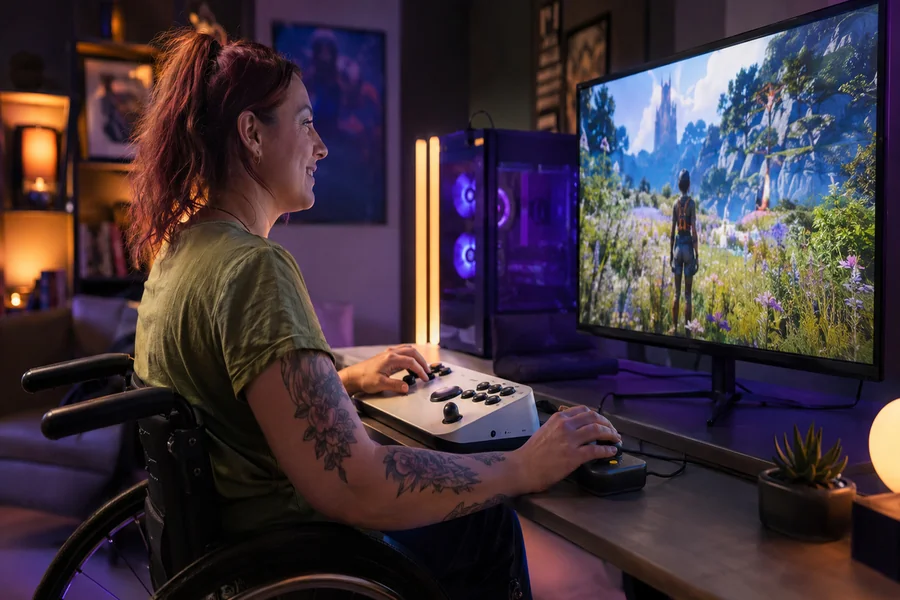
Video games have become an important part of modern entertainment, bringing people together through competition, storytelling, and shared experiences. However, not everyone interacts with games in the same way. Some players have difficulty reading small text, hearing important audio cues, using standard controllers, or responding quickly to on-screen actions. This is where game accessibility becomes important. It focuses on making games enjoyable and playable for people with different physical, sensory, and cognitive abilities. As the gaming industry continues to grow, accessibility is no longer just an additional feature. It is becoming an essential part of creating better gaming experiences for everyone.
Making Gaming More Inclusive
One of the biggest reasons PGSLOT game accessibility matters is that it allows more people to participate in gaming. Traditional game designs often assume that every player has similar physical abilities, vision, hearing, and reaction speed. In reality, players have different needs, and these differences should not prevent anyone from enjoying their favorite games.
Accessibility features help remove these barriers. For example, customizable controls can make gameplay easier for people who struggle with standard button layouts. Subtitles and visual sound indicators can help players with hearing difficulties understand conversations and important in-game sounds. Similarly, colorblind modes allow players to recognize objects, maps, and other visual elements more easily.
These adjustments create a more welcoming environment where players can focus on enjoying the experience rather than struggling with unnecessary limitations.
Accessibility Features Improve the Gaming Experience
Game accessibility is not only beneficial for players with disabilities. Many accessibility options can improve the overall experience for a much wider audience.
Consider adjustable text sizes, customizable difficulty settings, subtitles, and control sensitivity. These features can make games more comfortable for people playing on different screens, in noisy environments, or during longer gaming sessions. Someone playing a game on a large television may prefer different text settings than someone using a smaller monitor.
Difficulty adjustments are another useful example. Some players enjoy challenging gameplay, while others prefer a relaxed experience that allows them to follow the story without repeatedly struggling with difficult sections. Providing different difficulty options gives players more control over how they experience a game.
When developers include these features, they create games that are more flexible and enjoyable for different types of players.
The Role of Developers in Accessible Gaming
Game developers play a major role in making accessibility a natural part of modern gaming. Instead of treating accessibility as something to consider after development, studios should include it during the early design stages.
This approach makes it easier to identify potential barriers before a game reaches its audience. Developers can test different control systems, improve menu navigation, provide clear visual indicators, and ensure that important information is available through multiple formats.
Listening to feedback from players with disabilities is equally important. Real experiences can reveal problems that developers might overlook during testing. Working with accessibility consultants and diverse gaming communities can also help studios understand what players actually need.
Some modern games already offer extensive customization options, demonstrating that accessibility and creative game design can work together. These improvements show that developers do not need to sacrifice entertainment or challenge to make their games more inclusive.
Accessibility Creates Opportunities for the Gaming Industry
Making games accessible can also benefit the gaming industry from a business perspective. When a game supports different player needs, it becomes available to a larger potential audience. This can strengthen a game’s reputation, encourage positive recommendations, and help developers build stronger relationships with their communities.
Modern players increasingly appreciate games that offer meaningful customization and consider different experiences. Accessibility features demonstrate that a company values its audience and wants more people to enjoy its products.
There is also an opportunity for innovation. Designing alternative control methods, improved interfaces, and flexible gameplay systems can encourage developers to approach familiar problems differently. These ideas may eventually influence other areas of gaming technology.
As competition increases across the industry, studios that prioritize player experience can create a meaningful difference in the market.
Final Thought
Game accessibility matters because gaming should be an enjoyable experience that welcomes people from different backgrounds and abilities. Every player deserves the opportunity to experience exciting gameplay, engaging stories, and meaningful connections without facing unnecessary barriers.
Developers, publishers, and gaming communities all have a role in making this possible. By introducing flexible controls, better visual and audio options, and customizable gameplay, the industry can create more inclusive experiences.
Ultimately, accessibility is not about changing games for a small group of people. It is about giving everyone more opportunities to play, connect, and enjoy the experiences that make gaming special.