
Weed Grinder: Precision, Material Quality, and What Defines a Superior Grinder
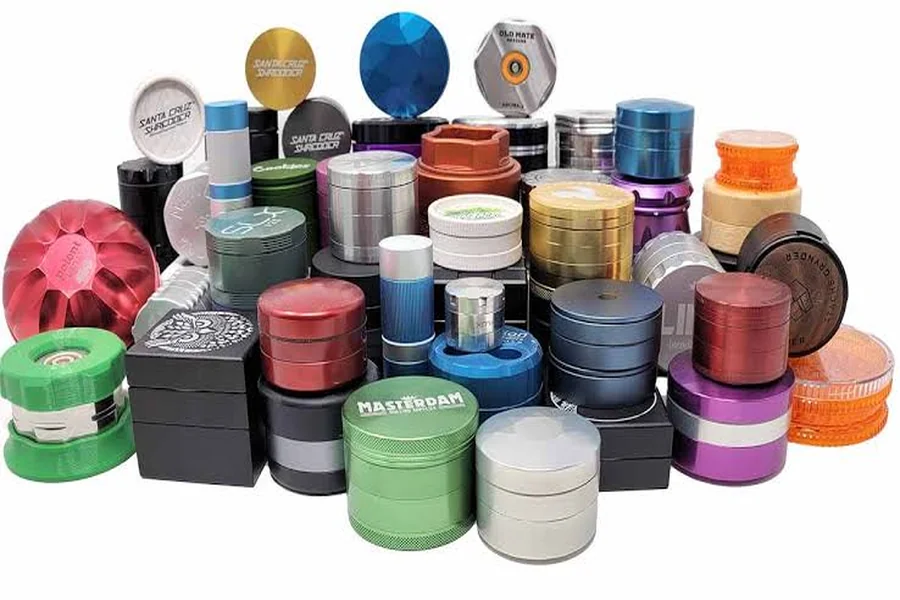
A weed grinder is more than a simple accessory for breaking down dried cannabis. Its construction, tooth geometry, material, airflow, and consistency can all influence how effectively the herb is prepared for a preferred consumption method. For experienced users, the difference between an inexpensive grinder and a well-engineered model becomes apparent in everyday details: how evenly it processes material, whether it clogs, how easily it turns, and how well it retains its structural integrity over time.
The modern grinder market includes everything from compact two-piece designs to multi-chamber models engineered for greater control over the preparation process. Choosing between them is less about appearance and more about understanding the relationship between grinder design and practical performance.
Why Grinder Design Matters
Grinding changes the physical structure of dried cannabis by reducing larger pieces into smaller, more consistent particles. Uniformity is particularly relevant when consistent airflow and even heating are important.
A grinder with poorly aligned teeth may crush rather than cut material, producing an inconsistent mixture of fine particles and larger pieces. A precision-designed grinder, by contrast, is intended to produce a more predictable texture with fewer repeated passes.
For users who value consistency, grinder design therefore becomes part of the preparation process rather than an afterthought.
The Importance of Tooth Geometry
The teeth are arguably the most important functional component of a grinder. Their shape, spacing, height, and arrangement determine how material moves through the grinding chamber.
Diamond-shaped teeth are widely used because they can provide efficient cutting while helping move material through the chamber. Some premium grinders use more complex tooth patterns designed to reduce resistance and prevent material from simply rotating around the chamber.
The objective is not necessarily to produce the finest possible result. Instead, a well-designed grinder should provide a relatively consistent texture without requiring excessive force.
Aluminium, Stainless Steel, and Other Materials
Material selection has a direct effect on durability, weight, cleaning requirements, and overall feel.
Aluminium Grinders
High-quality anodised aluminium grinders are popular because they combine relatively low weight with good durability. Anodising can also provide a more resistant surface finish and help protect the underlying aluminium.
However, not all aluminium grinders are manufactured to the same standard. Machining precision, coating quality, and threading can vary considerably between products.
Stainless Steel Grinders
Stainless steel offers excellent structural strength and resistance to wear. It is generally heavier than aluminium, but that additional weight can contribute to a solid, stable feel during use.
For someone prioritising longevity over portability, stainless steel can be an attractive option.
Plastic and Acrylic Designs
Plastic grinders are generally inexpensive and lightweight. They can work for occasional use, but they typically do not offer the same durability, machining precision, or long-term performance associated with quality metal grinders.
For regular use, construction quality is usually a more important consideration than saving a small amount initially.
Two-Piece vs. Multi-Chamber Grinders
Grinder configuration affects both functionality and maintenance.
A two-piece grinder consists of a grinding chamber and lid. Its straightforward construction makes it compact and relatively easy to clean. It is particularly suitable for users who want a simple preparation tool without additional compartments.
Multi-chamber grinders add one or more sections beneath the grinding area. Depending on the design, these compartments can separate the processed material from the grinding chamber and collect finer particles.
The additional components make these grinders more versatile, but they can also require more cleaning and maintenance.
Magnetic Lids and Thread Quality
Small engineering details often make a significant difference in everyday use.
A magnetic lid can keep the top section securely aligned while allowing it to be removed without repeatedly engaging traditional threads. Strong magnets can also make the grinder easier to operate with one hand.
For threaded grinders, machining quality matters. Poorly cut threads may feel rough, collect residue, or become difficult to turn over time. Smooth, accurately manufactured threads provide a noticeably better user experience.
What Makes a Grinder Consistent?
Consistency is influenced by several factors working together:
- Tooth design
- Tooth spacing
- Chamber dimensions
- Material quality
- Manufacturing tolerances
- Rotation mechanism
- Amount of material placed inside
Overfilling a grinder can reduce efficiency regardless of how well it is manufactured. Leaving sufficient space for material to move allows the teeth to perform their intended function more effectively.
Grinder Size and Portability
Grinder size should correspond with how and where it will be used.
A compact grinder is convenient for travel and discreet storage, while a larger grinder may offer greater capacity and a more substantial grip. Larger models can also reduce the need to process material in multiple batches.
There is no universally ideal size. The better choice depends on frequency of use, storage requirements, and whether portability is important.
The Role of a Screen
Some multi-chamber grinders incorporate a fine screen between the grinding compartment and the lower collection chamber.
The screen separates smaller particles from the main ground material. Screen quality matters because an overly fine or poorly manufactured screen can restrict movement and make cleaning unnecessarily difficult.
A durable screen should remain securely positioned and resist deformation during normal handling.
Why Sharpness Alone Is Not Enough
It is tempting to assume that sharper teeth automatically produce a better grinder. In practice, sharpness is only one element of performance.
A grinder must also control how material enters, moves through, and exits the grinding chamber. Teeth that are extremely aggressive but poorly positioned can create excessive friction or produce an unnecessarily powdery result.
The best designs balance cutting efficiency with controlled movement.
Cleaning and Long-Term Performance
Residue naturally accumulates around teeth, threads, magnets, and screens. Over time, buildup can make a grinder harder to rotate and reduce the available grinding space.
Regular cleaning helps preserve mechanical performance.
A grinder should be disassembled according to the manufacturer’s instructions, with particular attention given to threaded sections and screens. Metal grinders are generally easier to maintain over the long term than poorly constructed plastic alternatives.
Avoid using methods or cleaning products that could damage the grinder’s coating or finish.
How Grinder Quality Affects the Experience
A high-quality grinder does not necessarily change the underlying properties of cannabis, but it can improve preparation consistency.
Smooth operation, reliable alignment, efficient cutting, and predictable particle size make the preparation process more controlled. These characteristics become especially noticeable when the grinder is used frequently.
In contrast, a poorly manufactured grinder may require excessive twisting, trap material between sections, or develop rough threads.
Common Grinder Problems
Several problems appear repeatedly with low-quality designs.
Grinder Jamming
Jamming can occur when excessive material is placed in the chamber or when sticky residue accumulates around the teeth.
Uneven Grinding
Poor tooth geometry or insufficient space inside the chamber can result in inconsistent particle sizes.
Thread Damage
Cross-threading or poorly machined threads can make assembly difficult and eventually compromise the grinder.
Material Buildup
Residue can accumulate in difficult-to-reach areas, particularly around screens and threaded connections.
Recognising these issues helps buyers distinguish between superficial features and genuinely useful engineering.
How to Choose a Grinder for Regular Use
Rather than choosing based solely on appearance, consider several practical criteria.
Construction: Look for durable materials and accurate machining.
Capacity: Choose a chamber size appropriate for your typical use.
Teeth: Examine tooth shape, spacing, and overall arrangement.
Assembly: Check whether sections fit together smoothly and securely.
Maintenance: Consider how easily the grinder can be disassembled and cleaned.
Portability: A compact model may be preferable if it needs to be carried regularly.
Finish: A durable surface treatment can improve resistance to wear and corrosion.
Why Cheap Grinders Can Become Expensive
A low initial price does not always represent good value. A grinder that develops damaged teeth, rough threads, loose components, or structural cracks may need to be replaced repeatedly.
A well-made grinder can have a substantially longer service life, making construction quality an important part of the purchasing decision.
The goal should be to evaluate cost over time, rather than simply looking at the price at checkout.
Manual vs. Electric Grinders
Manual grinders remain popular because they are simple, portable, and require no batteries or charging.
Electric grinders offer a different approach, particularly for people who prefer automated operation. However, they introduce additional components and may provide less control over the final texture depending on the device.
For most users, the decision comes down to convenience, portability, desired control, and maintenance requirements.
The Importance of Responsible Use
Cannabis laws differ considerably between countries, states, and territories. Anyone purchasing or using cannabis accessories should understand the regulations applicable to their location.
A grinder itself is simply a preparation accessory, but its use should always remain within applicable laws and personal safety guidelines.
Investing in Better Preparation Equipment
The right grinder should disappear into the routine because it performs its job consistently. It should turn smoothly, maintain alignment, process material efficiently, and remain easy to maintain.
For occasional users, a straightforward two-piece grinder may provide all the functionality required. More frequent users may appreciate the capacity, separation, and additional features of a multi-chamber design.
Ultimately, the strongest grinder is not necessarily the one with the most features. It is the one whose materials, engineering, capacity, and maintenance requirements match the user’s needs.
Final Thoughts
A weed grinder is a relatively small piece of equipment, but its design can have a meaningful effect on preparation consistency and everyday convenience. Tooth geometry, construction materials, chamber configuration, threading, screens, and maintenance all contribute to performance.
Instead of choosing a grinder purely on appearance or price, evaluate its engineering and intended use. A precisely manufactured model with durable materials and practical design features can provide reliable performance for considerably longer than an inexpensive alternative.
For anyone looking to improve their preparation routine, understanding these design factors is a much better starting point than simply choosing the first grinder available.